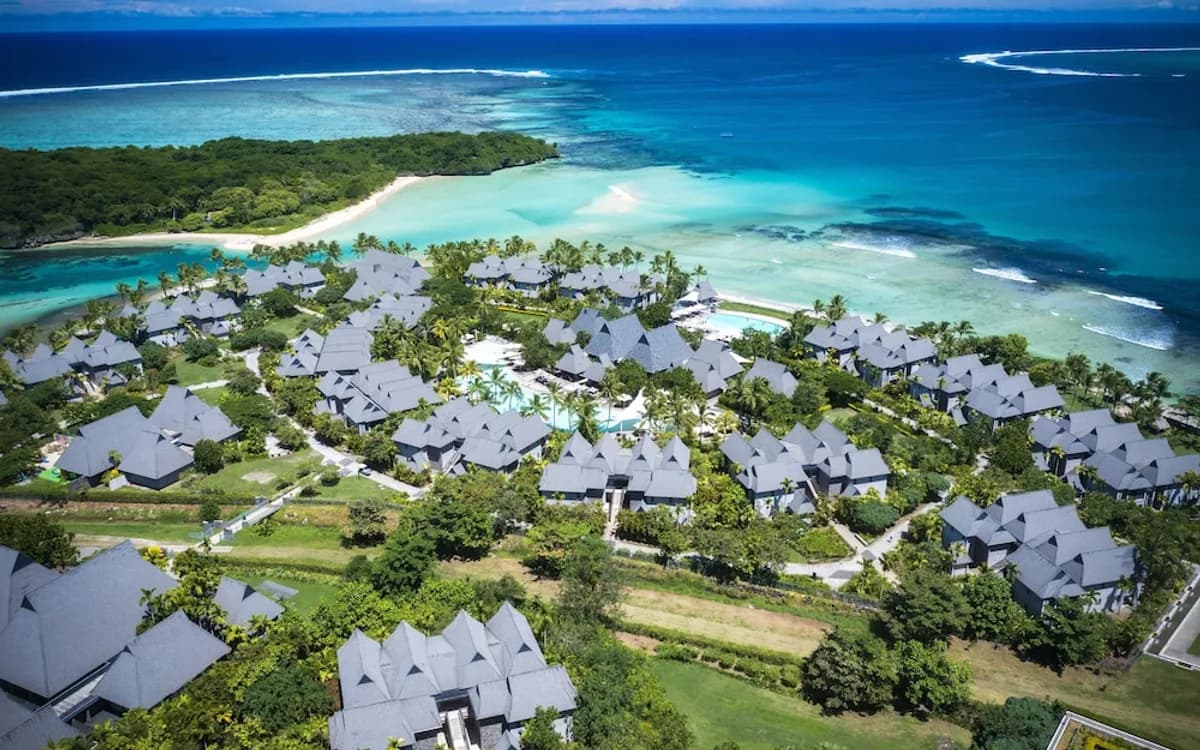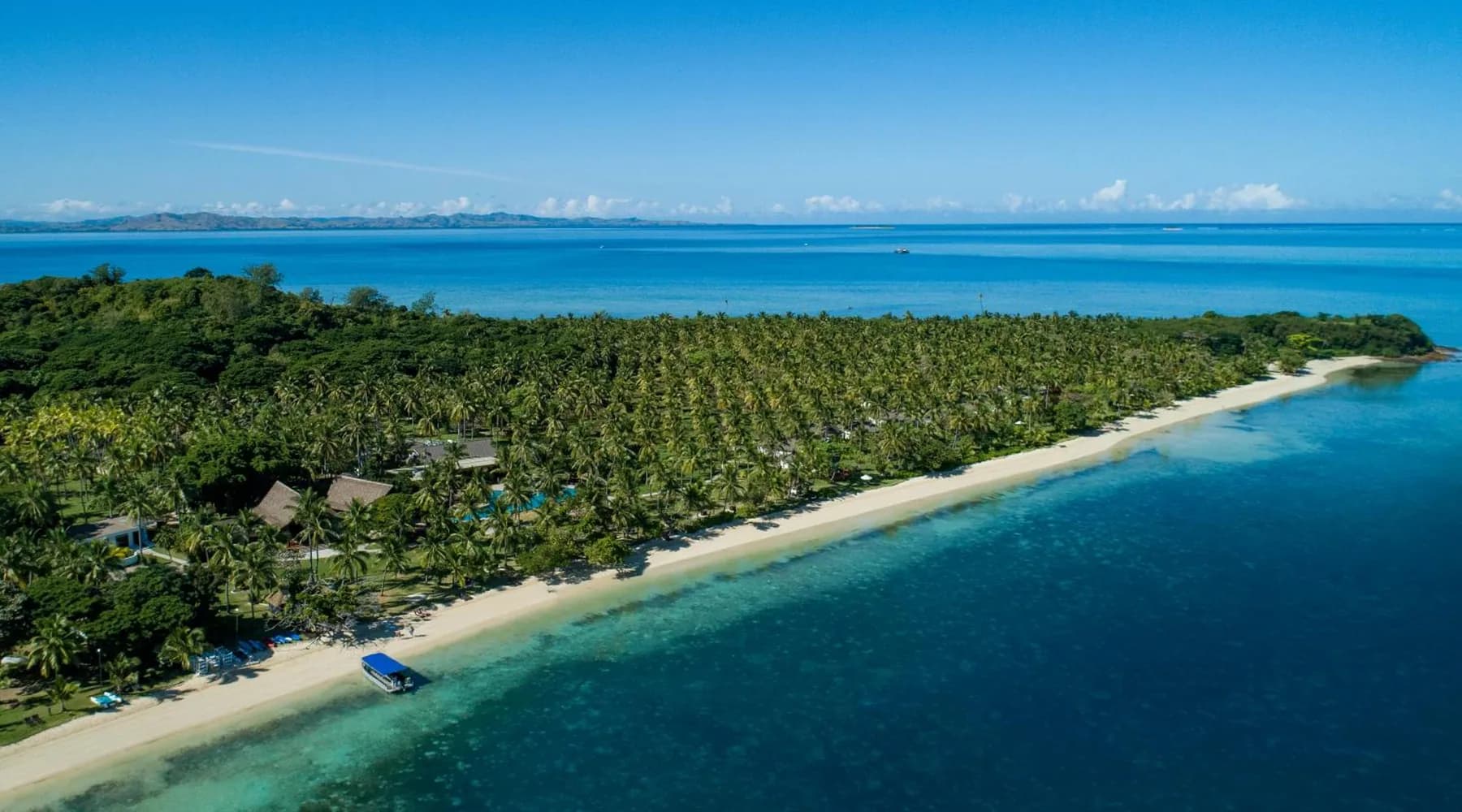
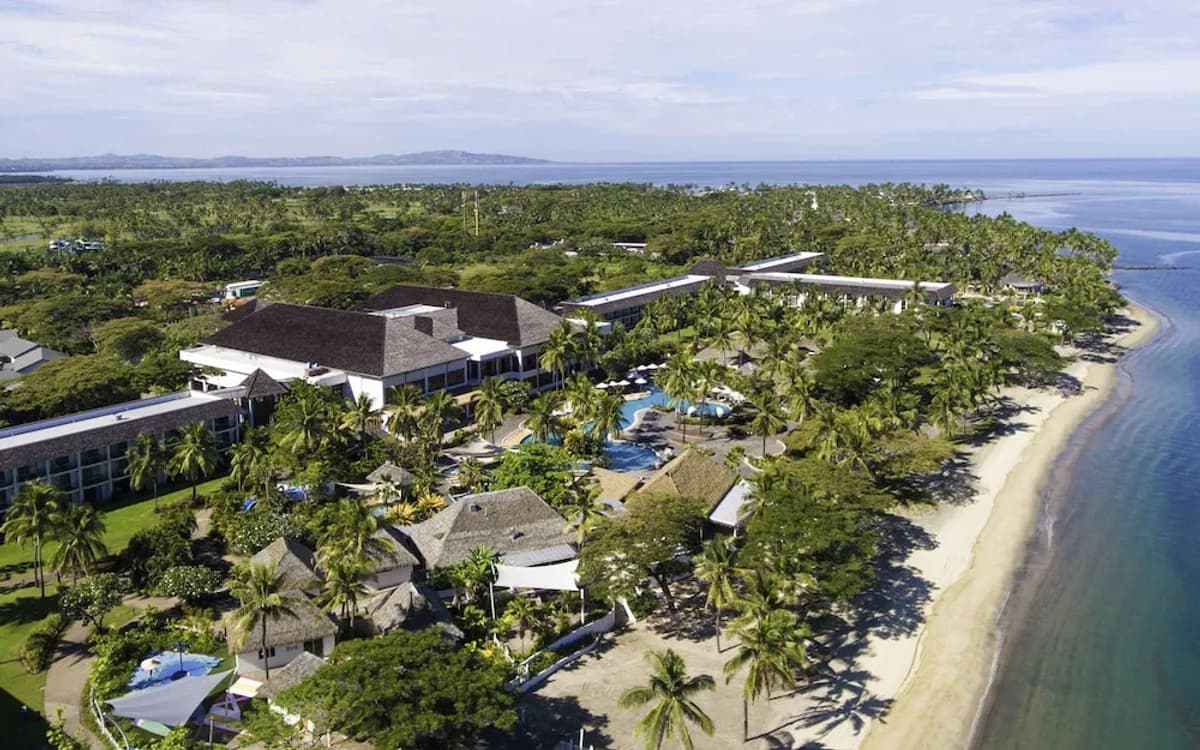
The short version
Start with Nadi for flight convenience, Denarau for an easy resort routine, the Coral Coast for a longer mainland beach holiday and the Mamanucas or Yasawas for island time. Suva, Pacific Harbour and Savusavu add very different kinds of days.
Start with an ordinary holiday day
Imagine the middle of the trip, once the flight and arrival excitement are behind you. Would you like to walk out for coffee, spend the morning at a resort pool, head off with a dive operator or read beside a quiet beach? That ordinary day is a better starting point than a list of hotel stars.
Write down two things the stay must make easy and one thing you are happy to trade away. You might want a separate sleeping space and short transfers, but not need a remote beach. Or privacy and reef time might matter more than restaurant choice. The exercise makes it easier to compare properties that otherwise look equally inviting.
Next, count the nights you can actually spend at the destination. Arrival and departure dates are not always full holiday days. Once road or boat connections enter the plan, a place that looks nearby may use more of a short break than you expected.
Nadi: the practical beginning or end
Nadi makes sense when the international flight schedule leads the decision. An airport-area hotel can simplify a late arrival or early departure, while Wailoaloa offers a more leisurely beachside setting for a short stay. Town-side accommodation can work for travellers who want local food, shopping or an adaptable mainland base.
The trade-off is that Nadi is not the same kind of beach escape as an outer island. Choose it for convenience and the places you can reach from it, rather than expecting every shoreline to match an island-resort photograph. Look closely at the hotel address: airport access, marina access and walking distance to dinner are different advantages.
Denarau: a comfortable resort routine
Denarau suits travellers who like having the holiday organised around a full-service resort. Pools, dining and family facilities can make daily choices straightforward, while the marina offers a starting point for island travel. It is a useful area to compare for a first Fiji resort stay or a mainland-and-island combination.
The setting is developed rather than remote. Decide whether that is a benefit for your trip instead of judging it against an experience it is not trying to provide. Check which meals and activities are included, and whether the room layout works once everyone is back from the pool. A generous-looking room photo does not confirm the beds for your particular group.
Coral Coast: time to settle into the mainland
The Coral Coast offers a more spread-out beach holiday on southern Viti Levu. It can suit families or couples who want a resort base without adding an outer-island connection. Give the area enough nights to enjoy the stay, because the road journey becomes a larger part of a brief visit.
Choose the exact stretch of coast, not just the regional label. Some properties work well for outings around Sigatoka; others encourage a mostly stay-put holiday. Compare nearby dining, transport and the shoreline at the actual resort. Beachfront describes location, but tides, reef flats and the designated swimming area shape how you use the beach.
Mamanucas or Yasawas: put the island first
The Mamanuca Islands are a useful first comparison when you want island scenery with a connection from the western mainland. The Yasawas can appeal when you want to travel farther and give a quieter island stay more time. In both groups, the individual resort matters more than a general promise of paradise.
Compare family-friendly, adults-only, sociable and secluded properties deliberately. Ask about meal plans, beach access, the activities you want and the complete return transfer. Your international arrival must connect with the service for that resort, not simply with a boat heading towards the same island group.
A private-island setting does not automatically mean every element of the holiday is included. Likewise, a simple beach room can still be a wonderful stay if the atmosphere and facilities match your expectations. Know what you are paying for, and leave enough nights between arriving and leaving to enjoy it.
Suva, Pacific Harbour and Savusavu
Suva gives a Fiji trip a city chapter: markets, museums, food and a working harbour rather than a resort beach. It is also a practical destination for work and visiting people. Choose a hotel around the places you need to reach, and distinguish the Nausori airport connection from an arrival at Nadi.
Pacific Harbour is worth comparing when activities are a major reason for the holiday. Check the relationship between the hotel and the operator’s departure point, and leave downtime between more active days. Anyone in the group skipping an excursion should still have a comfortable day at the accommodation.
Savusavu, on Vanua Levu, offers a slower nature-and-coast setting with an additional inter-island journey. Decide on the current flight or sea connection before the room. It rewards a stay with time to settle in, rather than a hurried detour added to an already crowded itinerary.
One base or a split stay?
One base lets you unpack once, learn the local routine and keep travel days to a minimum. It is particularly appealing with small children, limited time or a group that values easy meals and familiar surroundings. Day trips can add variety without changing rooms, as long as you account for their departure points and travel time.
Two bases work well when they offer genuinely different experiences. An airport night followed by an island stay solves a timing problem. A city stop followed by beach days changes the character of the trip. Two similar resorts separated by a packing day may add less than spending the same afternoon where you already are.
Before booking a split stay, map the whole moving day. Include check-out, luggage storage, transport check-in, the journey and the next room’s check-in time. If most of that day is waiting, decide whether the change is still worth it.
Match the room to your real party
Search with every adult, each child’s age and the number of rooms you need. Then check the actual bedding, not only the maximum occupancy. A room that allows four guests may still need an extra bed or use a sofa for the children. Connecting rooms should be confirmed rather than assumed from a request.
For a longer stay, a separate living area, laundry or a kitchen may have more value than another resort restaurant. For a brief arrival night, dependable reception and a comfortable bed can matter most. Think about the rhythm of mornings and evenings when everybody is in the room together.
If access requirements affect your choice, ask specific questions about the room, bathroom, paths and transfers. A broad accessible label cannot explain every part of an island arrival or a large resort. Obtain the details you need before committing to a restricted rate.
Compare the holiday cost, then choose
Put each shortlisted stay in the same currency for the same dates and travellers. Add compulsory meals, return transfers and the outings you already know you want. Keep optional treats separate so you can see the cost of the holiday you need alongside the extras you might choose later.
Read cancellation conditions on the selected room offer, including the deadline and any local-time wording. A cheaper non-refundable rate can suit fixed plans, but it is not a saving if your connections are still uncertain. Prices and availability can change, so review the current total again before completing checkout.
Once two or three properties meet the practical requirements, let the experience decide. Choose the place where your ordinary holiday day sounds good. You do not need to find the single best resort in Fiji; you need a well-matched stay for this particular trip.
A few things you might be wondering
Where should a first-time visitor start?
Start with Nadi and Denarau when simple arrival arrangements matter most, then compare the Coral Coast or islands for the main stay. Your flight time and holiday length should help choose the area. There is no single best base for every first trip.
Do I need to stay on an island to enjoy Fiji?
No. A mainland stay can offer resort comfort, cultural outings and island day trips. Staying on an outer island changes the pace and the logistics; it is a choice of experience, not a requirement for a worthwhile holiday.
Should I choose the resort before booking flights?
Shortlist both together. Check flight arrival dates, the resort’s connection and available rooms before making restrictive bookings. A wonderful hotel is less useful if the route to it does not work on your travel dates.
Useful reading for your trip
For the latest local information, go straight to the people who know the place.